All Articles by James Whitfield(16)

James Whitfield
Editor — Defense & Aerospace
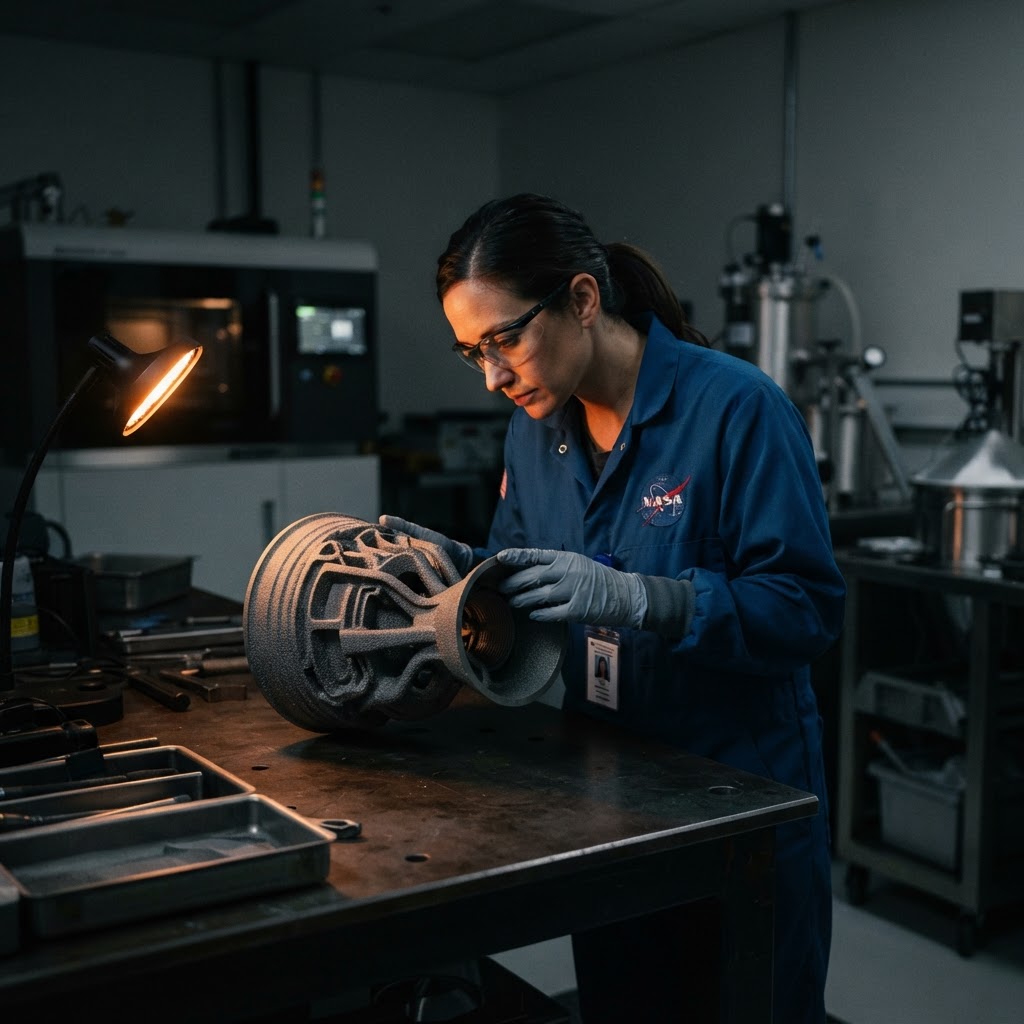
How NASA Is Using Additive to Rethink Rocket Engine Production — October 2026
NASA's additive manufacturing push has moved from prototype to flight-candidate hardware, compressing lead times and consolidating part counts in ways conventional machining cannot match. Here is what the shift means for the supplier base.
James Whitfield
Editor — Defense & Aerospace
Space Manufacturing: The Next Frontier for Advanced Production — October 2026
Microgravity manufacturing is moving from research novelty to serious production consideration. Here is what American Tier 2 and Tier 3 suppliers need to understand before the qualification windows close.
James Whitfield
Editor — Defense & Aerospace
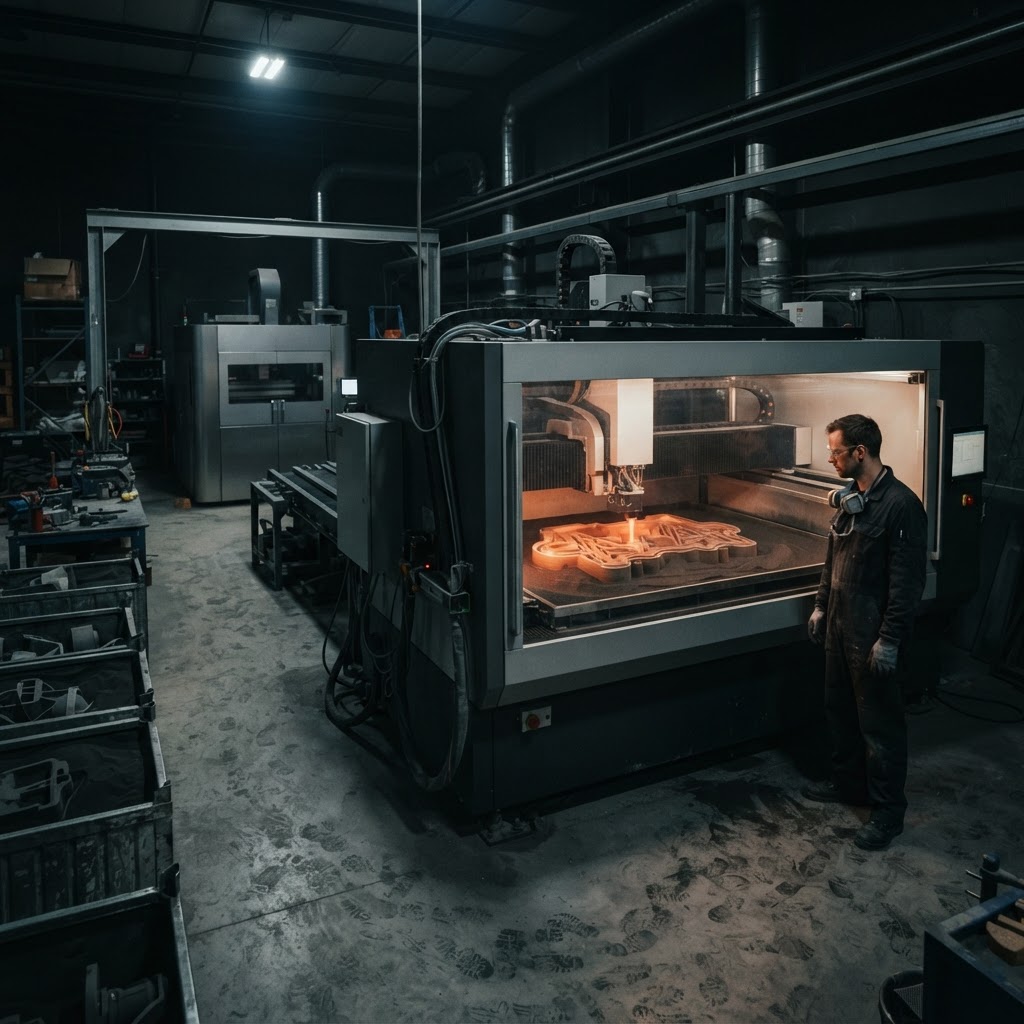
Sand Casting Is Dead. Long Live Binder Jetting. — September 2026
Binder jetting is not approaching sand casting's market share in defense — it is already taking it. Here is what Tier 2 and Tier 3 suppliers need to do before the transition makes that decision for them.
James Whitfield
Editor — Defense & Aerospace
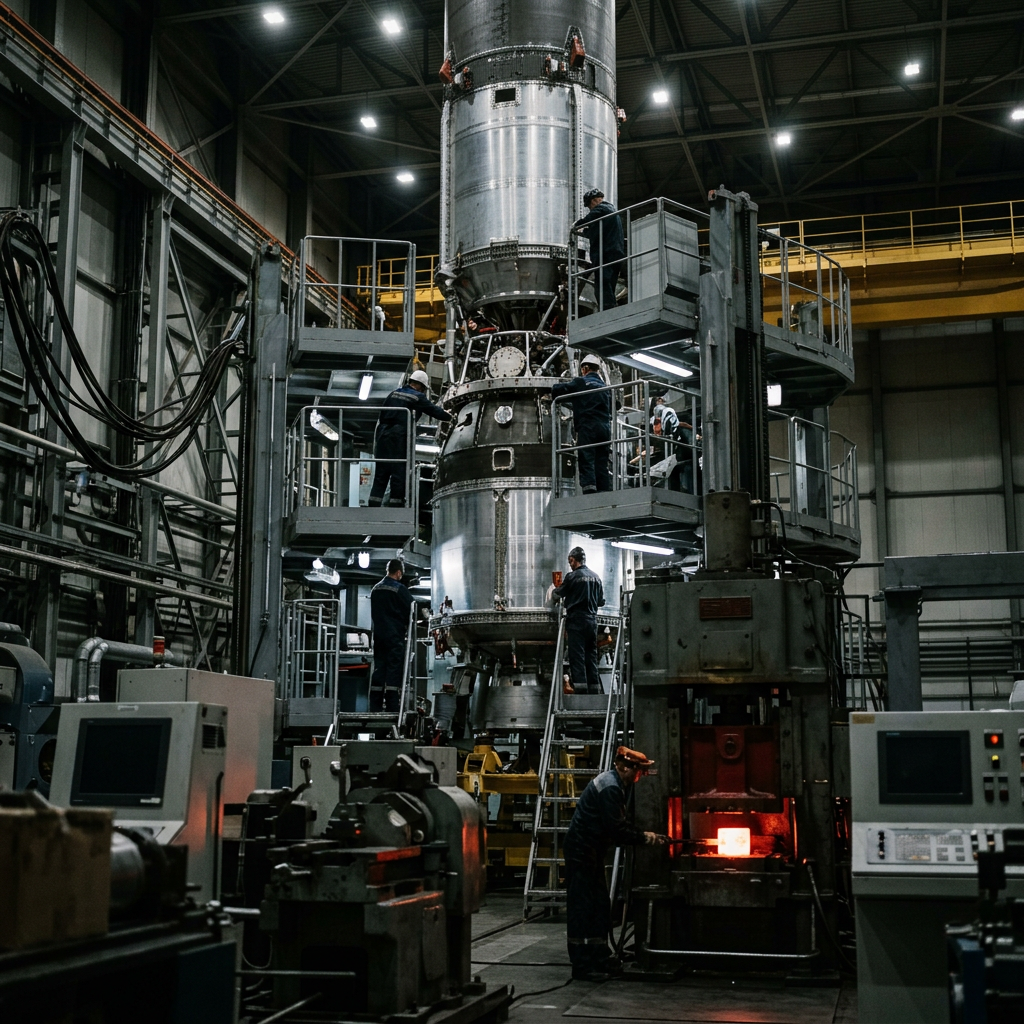
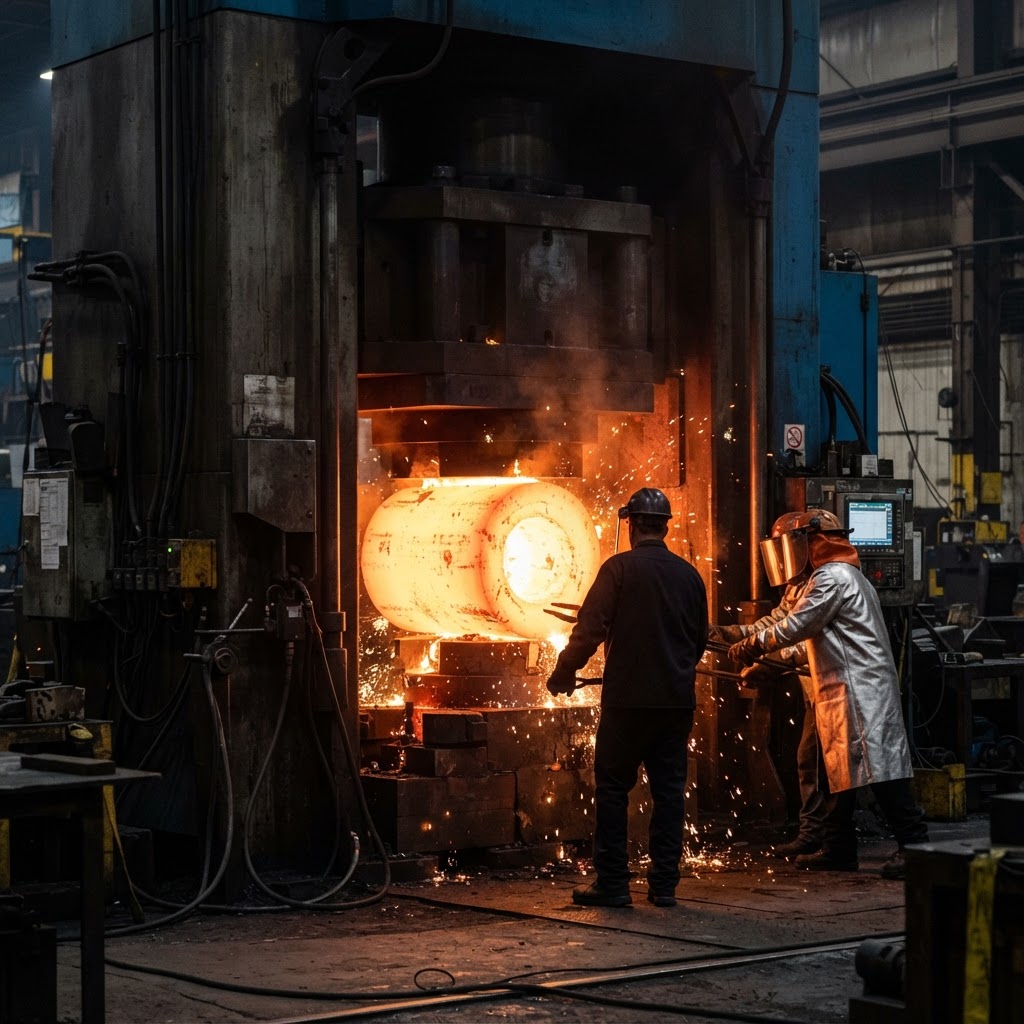
Lockheed, Boeing, and the Race to Domesticate Titanium Forging — September 2026
America's titanium forging base is structurally undersized for current defense production demands. Lockheed, Boeing, and DoD are spending emergency capital to fix a dependency three decades in the making.
James Whitfield
Editor — Defense & Aerospace
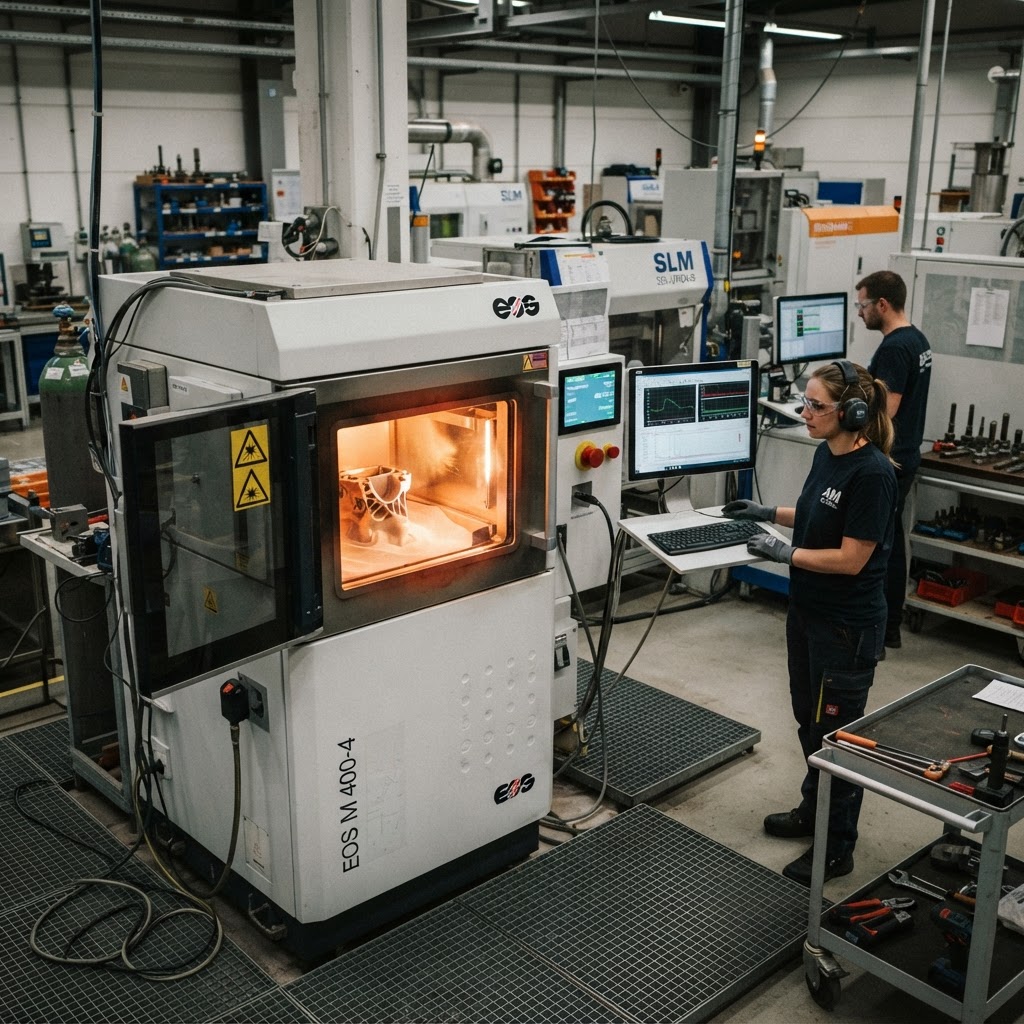
Metal Additive Manufacturing Has Crossed the Production Threshold — September 2026
Metal additive manufacturing has crossed from prototyping into defense production — driven by qualification breakthroughs, NDAA mandates, and sustainment demand that conventional supply chains can no longer meet.
James Whitfield
Editor — Defense & Aerospace
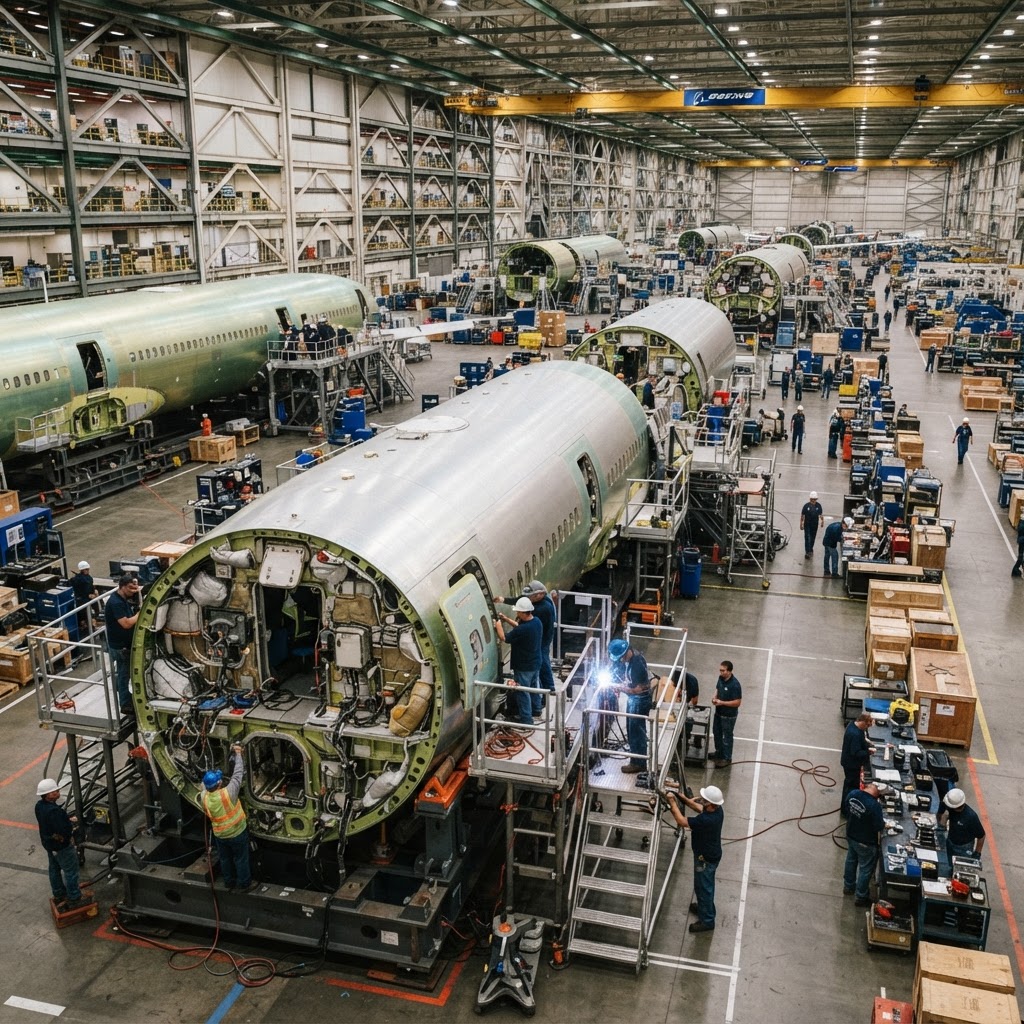
Why Aerospace Supply Chains Are Going Vertical in 2026 — September 2026
Aerospace supply chains are compressing fast in 2026. Vertical integration has moved from boardroom theory to procurement reality — and tier 2 and tier 3 suppliers need to act before the consolidation decides their fate for them.

James Whitfield
Editor — Defense & Aerospace
Lockheed, Boeing, and the Race to Domesticate Titanium Forging
The F-35 program exposed uncomfortable titanium supply chain dependencies, and the push to domesticate forging capacity is now stress-testing every node from sponge production to final press work.

James Whitfield
Editor — Defense & Aerospace
The Hidden Cost of Post-Processing in Additive Manufacturing
Post-processing is the dominant cost center in aerospace additive manufacturing - and the assumption most likely to sink the business case. Here's what operations leaders need to confront.

James Whitfield
Editor — Defense & Aerospace
The Certification Bottleneck Slowing Commercial Aerospace Recovery
FAA certification timelines have become a critical path constraint on commercial aerospace production recovery, creating friction that operations leaders can no longer treat as a background administrative function.
James Whitfield
Editor — Defense & Aerospace
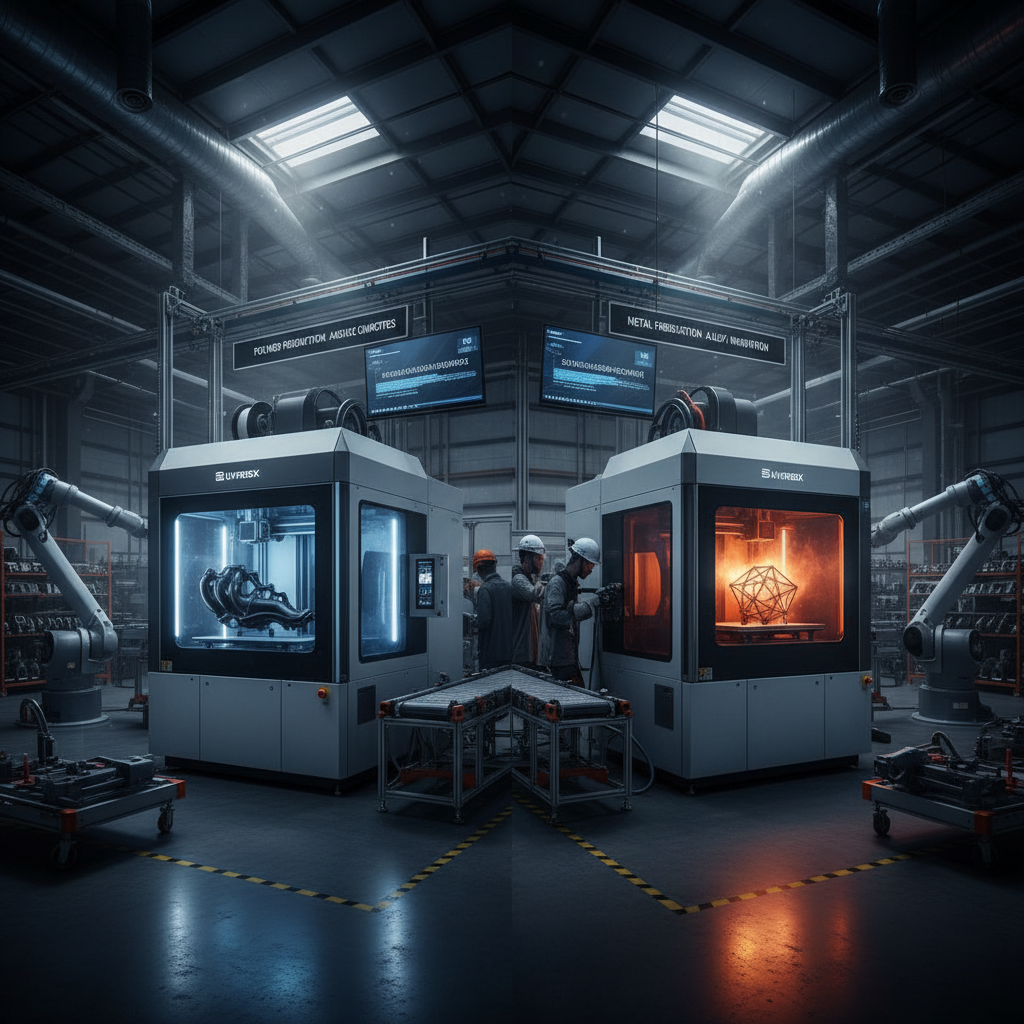
Polymer vs. Metal 3D Printing: Choosing the Right Process for Production
Polymer and metal 3D printing serve fundamentally different production roles - and choosing between them is an architecture decision, not a technology preference. This guide cuts through the trade-offs for operations directors accountable for real production outcomes.

James Whitfield
Editor — Defense & Aerospace
How eVTOL Is Creating an Entirely New Manufacturing Supply Chain
eVTOL aircraft are forcing a parallel aerospace supply chain into existence - one built on distributed propulsion, advanced composites, and certification pressure that legacy suppliers weren't designed to absorb.

James Whitfield
Editor — Defense & Aerospace
How NASA Is Using Additive to Rethink Rocket Engine Production
NASA's additive manufacturing push in rocket propulsion has moved from experiment to program doctrine - and the qualification frameworks, material breakthroughs, and part consolidation economics carry direct lessons for industrial manufacturing executives.

James Whitfield
Editor — Defense & Aerospace
Space Manufacturing: The Next Frontier for Advanced Production
Space manufacturing has moved from theoretical to funded and contracted. Manufacturing executives who treat it as a research curiosity risk being locked out of the next major production environment.
James Whitfield
Editor — Defense & Aerospace
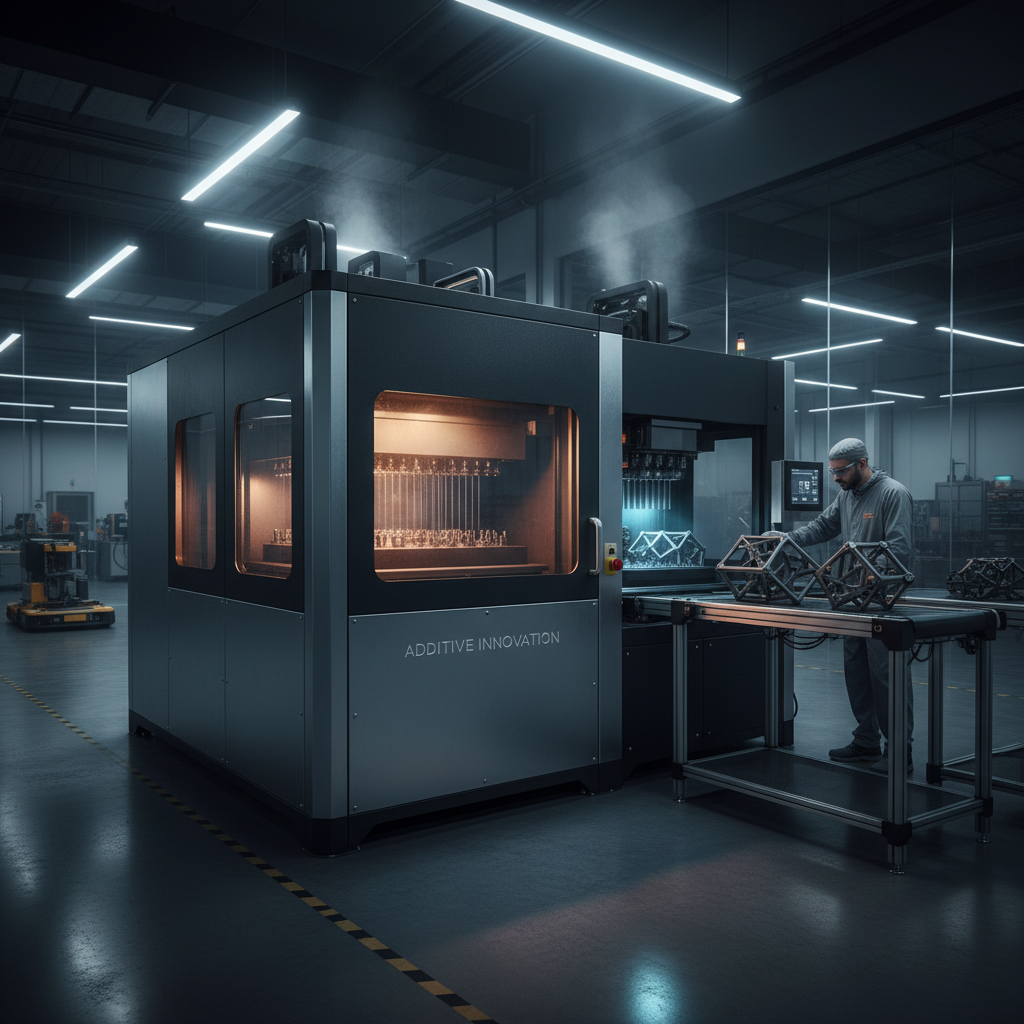
Sand Casting Is Dead. Long Live Binder Jetting.
Binder jetting is displacing sand casting for complex, low-volume defense and aerospace components - not as a future promise, but as a present operational reality driven by tooling lead times, workforce erosion, and supply chain fragility.

James Whitfield
Editor — Defense & Aerospace
Metal Additive Manufacturing Has Crossed the Production Threshold
Metal additive manufacturing has moved decisively past the prototyping stage into genuine production use across defense and aerospace programs. The question for manufacturers is no longer whether it works - it's whether they're positioned to use it.

James Whitfield
Editor — Defense & Aerospace
Why Aerospace Supply Chains Are Going Vertical in 2026
Aerospace primes are aggressively pulling supplier capabilities in-house as supply chain fragility, defense pressures, and shifting make-vs-buy economics converge. Vertical integration is no longer a strategic option - it's a survival calculation.
Manufacturing GPT
AI Assistant · Online
Manufacturing GPT
Your manufacturing AI assistant. Ask me about supply chain, strategy, quality, workforce — anything industrial.
Try asking: