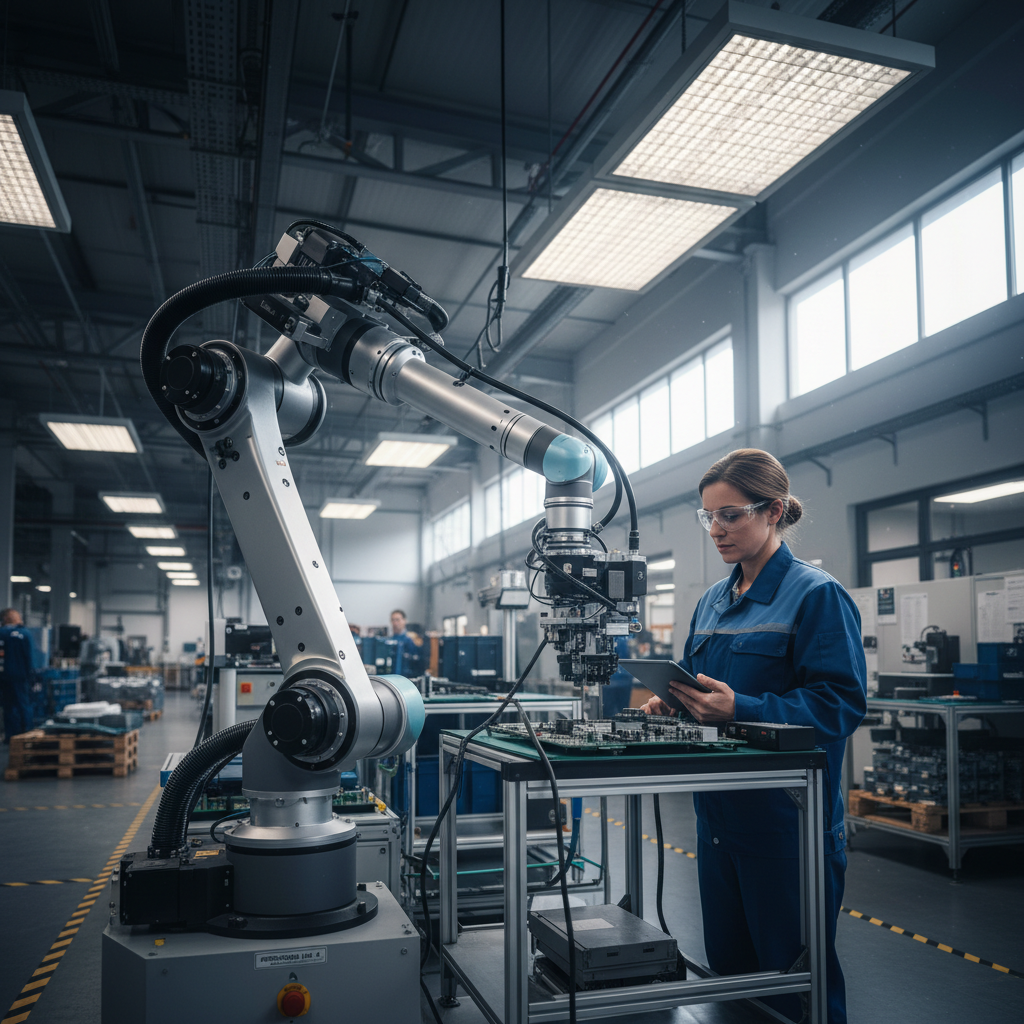

Cobots vs. Full Automation: Which One Actually Makes Sense for Your Shop?
Stop throwing money at robots you don't need.
The automation conversation has gotten loud. Every vendor promises a revolution. Every trade show floor looks like a sci-fi film set. But here's what nobody's saying out loud: full automation isn't the right move for most shops right now.
What's the Actual Difference?
Full automation means machines run the show. No human hands on the line. Cobots - collaborative robots - work beside your people. They handle the repetitive, risky stuff. Your team handles the judgment calls.
That distinction matters more than most people admit.
Is Full Automation Actually Winning?
For high-volume, low-mix production? Absolutely. Automotive giants and large-scale electronics manufacturers have proven it works. But that model demands serious capital, long setup timelines, and rigid processes.
Most mid-size shops aren't running those conditions. They're running mixed SKUs, shifting customer demands, and lean teams. Full automation punishes flexibility. It's built for consistency at scale.
"The shops winning right now aren't the most automated - they're the most adaptable."
Why Are Cobots Having a Moment?
Prices have dropped significantly over the past five years. Setup times have compressed. Programming has gotten friendlier - some models use drag-and-drop interfaces. That's a real shift.
Cobots also solve a problem full automation ignores: labor gaps. Skilled technicians are hard to find. Cobots don't replace those workers. They amplify them. One experienced operator can now oversee tasks that used to require three people.

What will it take to turn demand into delivered output?
Explore The Capacity Imperative, our report on U.S. advanced manufacturing and the priorities shaping 2027.
That's not a small deal. That's a workforce multiplier.
When Does Full Automation Still Win?
Be honest about your volume. If you're running the same part, same spec, thousands of times a day - cobots may actually slow you down. Full automation earns its cost when cycle times are tight and changeovers are rare.
Pharmaceuticals, food processing, semiconductor manufacturing - these sectors make full automation pencil out. The math works when variability is nearly zero.
Know your environment before you choose your tool.
What Are Most Shops Getting Wrong?
They're buying automation as a statement, not a solution. A shiny robot arm looks great in the plant tour. It looks less great when it's sitting idle because the product line changed.
The smarter play is a hybrid approach. Deploy cobots on your most repetitive, high-injury-risk tasks first. Protect your flexibility everywhere else. Build the data and the confidence before you commit to full automation.
Start small. Scale smart.
So Which One Do You Actually Need?
Here's a fast filter. Ask yourself three questions:
- Does your product mix change more than once a quarter?
- Are you losing people to injury or burnout on specific tasks?
- Is your team stretched thin across too many stations?
If you answered yes to any of those, a cobot deployment is almost certainly your next move. If your line runs the same process 24/7 with minimal variation, full automation deserves a serious look.
Neither answer is wrong. The wrong answer is buying on hype instead of data.
The shop that wins isn't the one with the most robots - it's the one that knew exactly where to put them.

