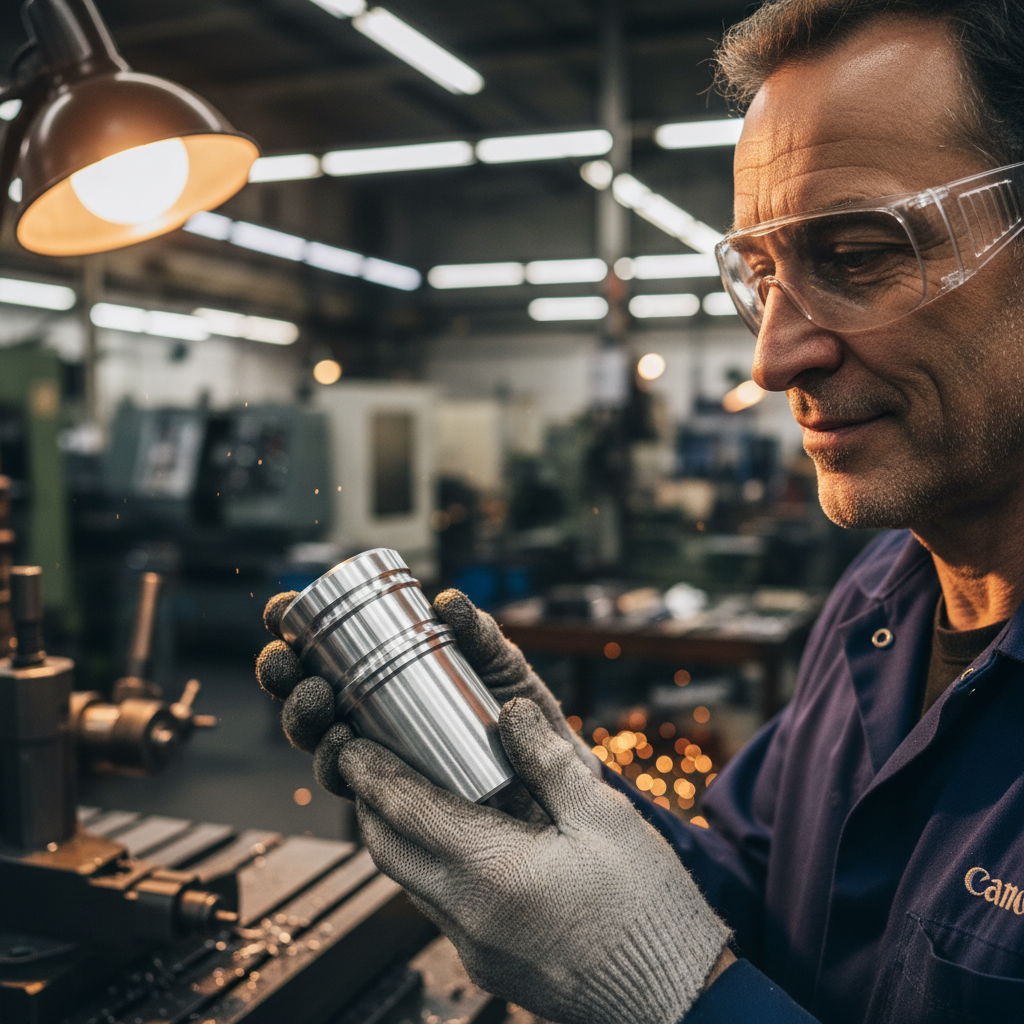

Why Your Best Machinist Might Quit Next Year - and How to Stop It
Your most skilled machinist is already reading job postings. You just don't know it yet.
Retention in manufacturing is quietly becoming the defining crisis of the decade. And most shop floors are still reacting instead of preventing.
What's Actually Driving Skilled Workers Out?
It's not always the paycheck. It's the feeling of being invisible.
Experienced machinists want to grow. They want modern tools and real input. When they don't get either, they leave.
The Manufacturing Institute has been tracking workforce sentiment for years. The message is consistent: culture and career path matter as much as compensation.
"If your best people can't see a future on your floor, someone else's floor is already looking better."
Boredom is underrated as a turnover driver. Skilled workers on repetitive, low-autonomy tasks disengage fast. That disengagement is expensive.
So What Does a Modern Machinist Actually Want?
They want three things. Not ping pong tables.
- Access to newer technology - CNC upgrades, Mastercam training, automation exposure
- A real voice in process improvement - not a suggestion box, actual influence
- A visible path forward - lead tech roles, mentorship programs, certifications
The National Institute for Metalworking Skills (NIMS) offers credentialing pathways that shops can build retention programs around. Very few do.
That's a missed play. Certifications signal investment. Investment signals loyalty in return.
Why Aren't More Shops Acting on This?
Because retention feels abstract until someone gives notice. Then it's urgent - and too late.
Most manufacturers still treat skilled trades like a supply problem, not a relationship problem. They recruit hard and retain poorly.

What will it take to turn demand into delivered output?
Explore The Capacity Imperative, our report on U.S. advanced manufacturing and the priorities shaping 2027.
The Department of Labor's Apprenticeship.gov platform shows how many registered apprenticeship programs exist. Usage in precision machining is still embarrassingly low.
Here's the hard truth: replacing a CNC machinist costs real money in recruiting, onboarding, and lost throughput. Prevention is cheaper. Always.
Shops running structured mentorship - pairing senior machinists with junior hires - see stronger tenure numbers. Tooling U-SME has built workforce development curriculum specifically for this. It's ready to deploy.
What Should You Actually Do This Quarter?
Stop waiting for an exit interview to tell you what you already should have known. Act now with these:
- Run stay interviews - ask your top performers what would make them leave
- Map their career path explicitly - show them where they can go in 18 months
- Invest in upskilling - enroll them in NIMS or Tooling U-SME courses now
- Give them a technology win - let them pilot a new tool, own an automation project
- Fix the small stuff - scheduling flexibility, recognition, clear communication
None of this requires a massive HR overhaul. It requires intention.
The shops winning the talent war aren't the biggest. They're the most deliberate. They treat retention as a operational priority, not an HR afterthought.
Okuma America and other major equipment makers are even building operator training ecosystems into their service relationships. The infrastructure exists. The will to use it is the variable.
The machinist you can't afford to lose is deciding right now whether you deserve their next five years.
Sources: Manufacturing Institute · NIMS · Apprenticeship.gov · Tooling U-SME · Okuma America

